top of page

mitochondria (n)
produce approximately 90% of the body's energy in the form of adenosine triphosphate (ATP). This energy production is critical for the function of high-demand tissues such as muscles, neurons, and the liver.
Beyond energy generation, mitochondria play vital roles in regulating cellular metabolism, signaling pathways, and immune responses.
In order for athletes to perform their best, it's vital that they understand how to optimize their mitochondrial health, which directly translates to optimal baseline health.
max
health
a curated list of foods that are
nutrient-rich
PROTEINS
grass-fed beef (and beef liver), free range poultry and eggs, wild-caught seafood, yogurt (skyr + greek)
GRAINS
whole grain whole wheat (ideally sprouted), brown rice, buckwheat, whole grain rolled oats, quinoa, millet
VEGETABLES
dark leafy greens, broccoli, sweet potatoes, carrots, legumes, beets, squash, mushrooms, cauliflower
FRUITS
berries, avocados, bananas, apples, pears, citrus,
tropical fruits
NUTS + SEEDS
almonds, brazil nuts, walnuts, pistachios, chia seeds, pumpkin seeds, flax seeds
CONDIMENTS
honey, extra virgin olive oil, balsamic vinegar, butter, apple cider vinegar
caloric intake
For most athletes focused on gaining lean muscle mass, daily caloric intake should exceed 3,500 – with some athletes requiring over 5,000 when daily athletic activities also involve resistance training.
It is critical that all calories come from balanced, high-quality sources including whole grains, lean proteins, fruits, vegetables, and healthy fats to support performance, recovery, and long-term health.
our
favorite
health-food
hacks
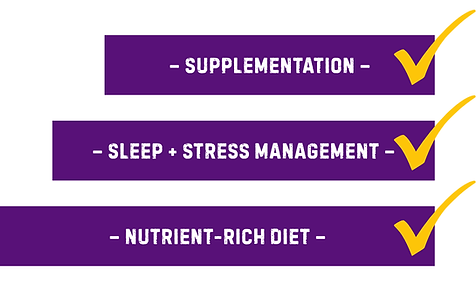
* No shortcut or supplement can replace a nutrient-rich diet, sleep, and stress management.


Check out our recommended resources below.
We
build better athletes.
eat
like
Jalen
Hurts
game day
nutrition
how to
end
workouts
sleep:
the
secret
sauce
the
benefits
of
creatine
mitochondrial
+ metabolic
health
fiber +
antioxidant
sources
essential
supplements
bottom of page